
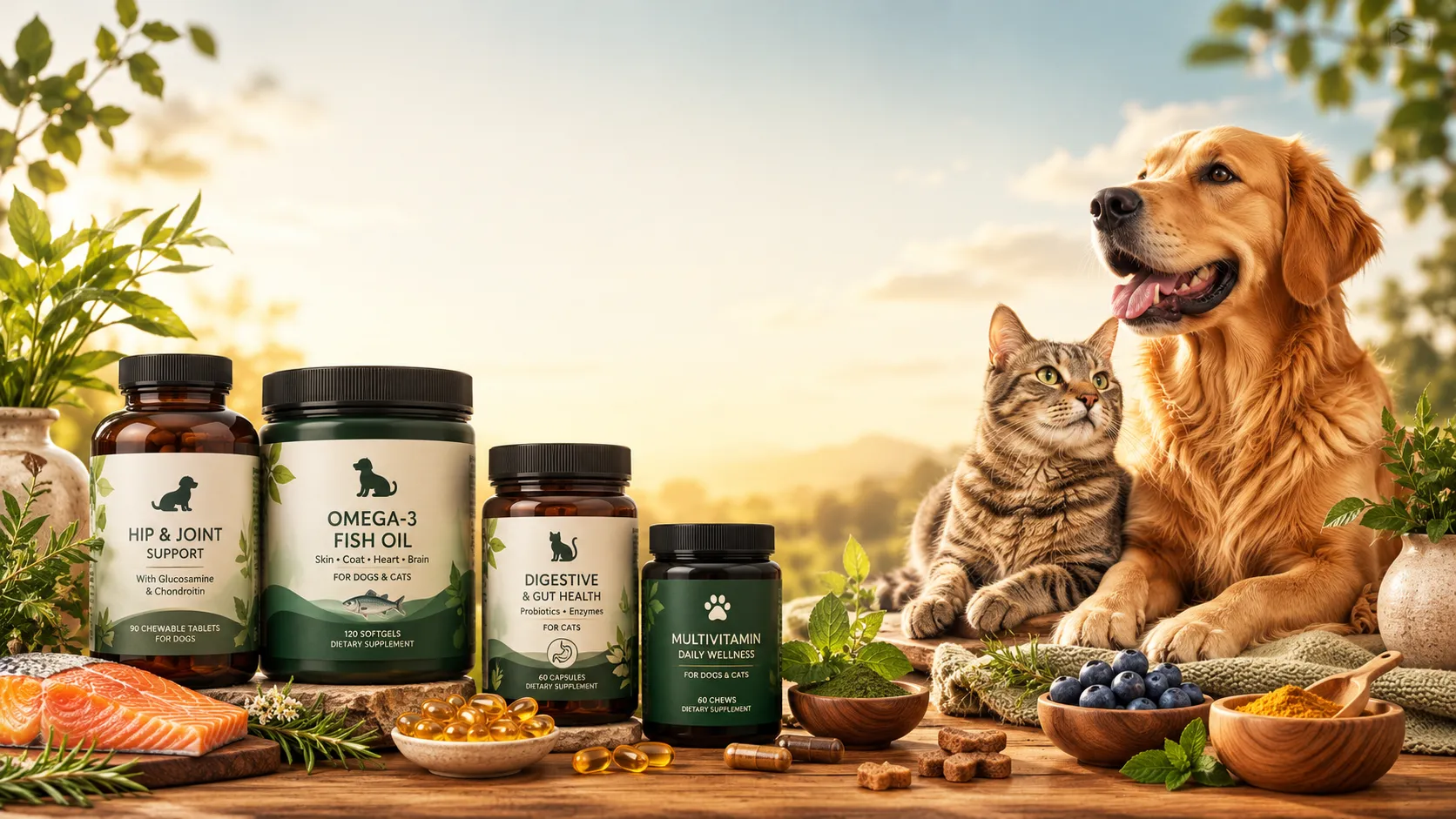
Should Your Private Label Business Expand into Animal Supplements
The animal supplement market presents compelling opportunities for private label businesses seeking growth. With the pet industry booming and consumer spending on animal health increasing, expanding into supplements could be your next strategic move.
1. Market Growth and Opportunity Analysis
The global animal supplement market is experiencing unprecedented growth. Valued at $1.5 billion in 2023, it's projected to reach $2.3 billion by 2028, growing at a CAGR of 8.9% (Grand View Research). Dogs represent 60% of the market, followed by cats at 25% and horses at 15%. This growth is driven by humanization of pets, increased health awareness, and willingness to invest in preventive care. Private label brands can capture significant market share by offering quality products at competitive prices.
2. Profitability and Margin Analysis
Animal supplements offer attractive profit margins for private label operations. Typical margins range from 40-70% depending on product complexity and ingredient sourcing. Joint health supplements command premium pricing ($30-60 per unit) with 55-65% margins. Digestive health products ($20-40 per unit) offer 50-60% margins. The key to profitability lies in efficient manufacturing, strategic ingredient sourcing, and volume optimization. Private label operations can achieve 15-25% higher margins than branded products due to eliminated licensing fees.
3. Regulatory Landscape and Compliance Requirements
Understanding regulatory requirements is essential before entering the animal supplement market. In the US, the FDA regulates animal supplements through the Center for Veterinary Medicine (CVM). Key compliance areas include ingredient safety, labeling requirements, and manufacturing standards. The National Animal Supplement Council (NASC) provides quality seals that enhance consumer trust. Compliance costs range from $10,000-50,000 initially, but significantly reduce long-term liability and recall risks.
4. Manufacturing and Supply Chain Considerations
Successful private label expansion requires reliable manufacturing partnerships. Options include contract manufacturing, white label suppliers, or developing in-house capabilities. Contract manufacturing offers lowest initial investment ($50,000-100,000) but less control. White label provides ready-to-market products with moderate investment ($100,000-250,000). In-house manufacturing offers maximum control but requires significant capital ($500,000+). Evaluate based on your business scale, risk tolerance, and growth objectives.
5. Product Category Selection Strategy
Strategic product selection maximizes success probability. High-demand categories include:
Joint Health Supplements - Largest segment, driven by aging pet population. Ingredients like glucosamine, chondroitin, and MSM show strong clinical evidence.
Digestive Health - Growing rapidly with probiotics and digestive enzymes. 45% of pet owners report digestive issues in their animals.
Skin and Coat Health - Omega fatty acid supplements command premium pricing. 62% of pet owners prioritize coat quality.
Calming Supplements - Fastest growing segment, addressing pet anxiety. 38% of dogs exhibit anxiety behaviors.
6. Competitive Differentiation Strategies
Standing out in the animal supplement market requires strategic differentiation:
Quality Certifications - NASC certification increases consumer trust by 40% (Packaged Facts survey).
Transparent Ingredient Sourcing - 78% of pet owners prefer supplements with clear ingredient origins.
Clinical Evidence - Products with published studies command 25% price premiums.
Veterinary Endorsements - Professional recommendations increase conversion rates by 35%.
7. Marketing and Distribution Channels
Effective distribution maximizes market reach:
E-commerce - 45% of pet supplement sales occur online. Amazon, Chewy, and direct-to-consumer channels offer significant opportunities.
Veterinary Clinics - Professional channel commands premium pricing and high trust.
Specialty Pet Retail - Independent pet stores represent 30% of market and support premium positioning.
Mass Market - Large retailers offer volume but lower margins and intense competition.
8. Risk Assessment and Mitigation
Market Risks - Intense competition, price pressure from established brands, and consumer education requirements.
Regulatory Risks - Changing FDA guidelines, state-specific regulations, and labeling compliance challenges.
Operational Risks - Supply chain disruptions, quality control issues, and inventory management complexity.
Mitigation Strategies - Start with proven product categories, partner with experienced manufacturers, invest in regulatory expertise, and build brand equity gradually.
Decision Framework
Expand if:
- You have established distribution channels in pet or health sectors
- Capital availability exceeds $100,000 for initial product development
- Long-term commitment to building brand equity exists
- Regulatory compliance expertise is accessible
Delay if:
- Capital constraints limit quality investment
- Core business requires focused attention
- Regulatory knowledge gaps exist
- Market research indicates saturated competition
The animal supplement market offers significant growth potential for prepared private label businesses. Success requires strategic planning, quality commitment, regulatory compliance, and patient brand building.