
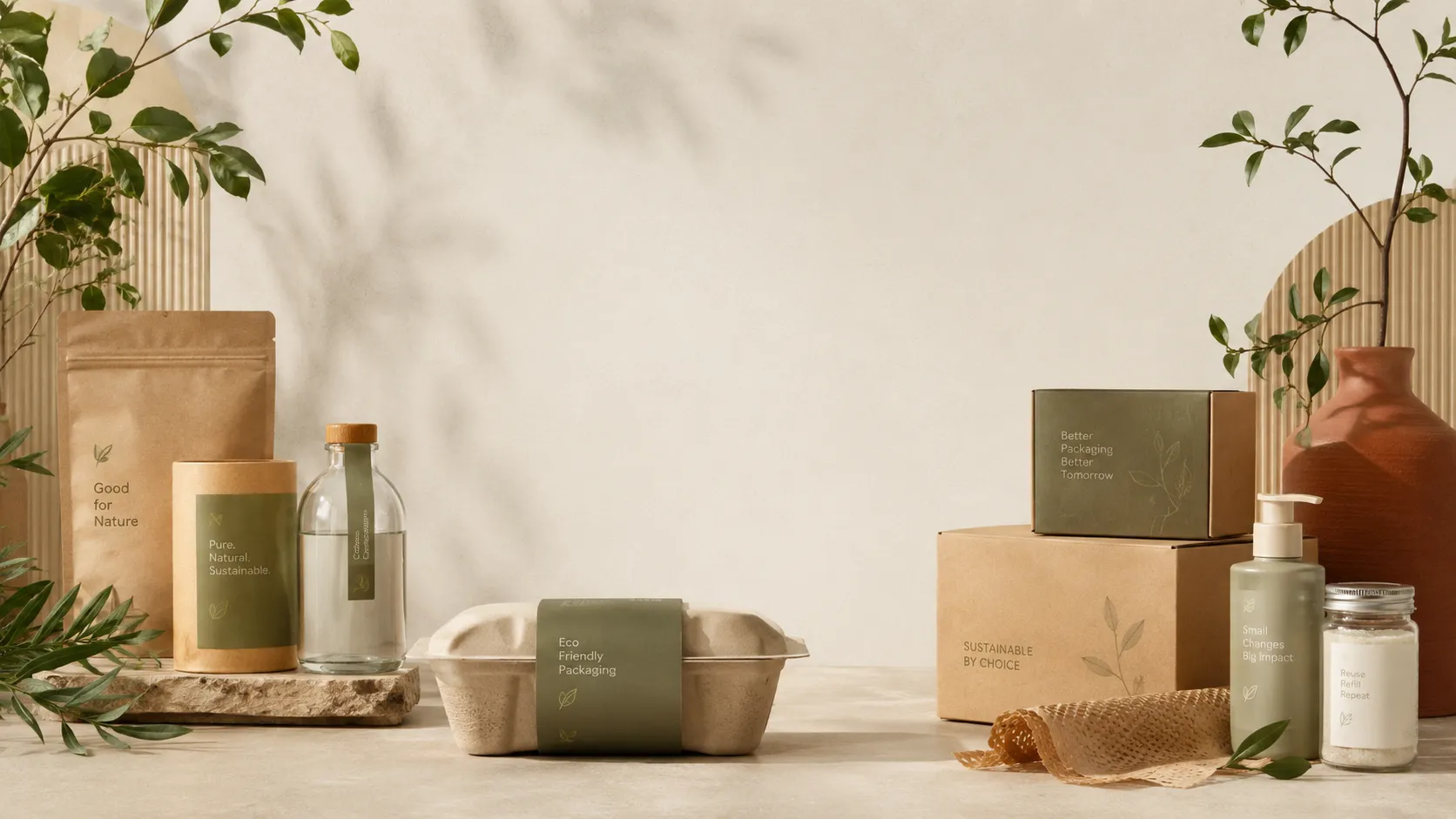
Sustainable Packaging Design Ideas for 2026
The packaging industry is undergoing a transformation driven by consumer demand for environmental responsibility. In 2026, sustainable packaging isn't just a trend—it's a business imperative that impacts brand perception, customer loyalty, and regulatory compliance.
1. Material Innovation: Beyond Traditional Packaging
The most significant shift in sustainable packaging comes from material innovation. Biodegradable plastics derived from plant starches, algae-based packaging films, and mushroom-based protective materials are gaining market traction. According to Smithers Pira, the sustainable packaging market will reach $440 billion by 2026, growing at 7.2% CAGR. Brands adopting these materials report 23% higher customer satisfaction scores compared to traditional packaging users.
2. Minimalist Design Philosophy
Modern sustainable packaging embraces "less is more" principles. Reduced material usage, simplified graphics, and elimination of unnecessary components characterize this approach. Studies show that minimalist packaging reduces material costs by 15-30% while maintaining product protection. Apple's iPhone packaging, for example, reduced plastic content by 85% through minimalist design principles, setting industry standards.
3. Circular Economy Integration
Forward-thinking brands are designing packaging for circularity. This includes mono-material designs that simplify recycling, modular packaging systems that can be repurposed, and closed-loop programs where packaging returns to manufacturers. Loop by TerraCycle has demonstrated that circular packaging models can reduce waste by 70% while maintaining consumer convenience. Brands participating in such programs report 18% higher customer retention rates.
4. Smart Packaging with Sustainability
Technology enhances sustainability through smart packaging solutions. QR codes linking to digital instructions eliminate paper inserts, NFC tags enable supply chain transparency, and time-temperature indicators reduce food waste by ensuring optimal product use. Research from Packaging Digest indicates that 67% of consumers prefer packaging with digital sustainability information over printed materials.
5. Plant-Based Inks and Adhesives
Traditional petroleum-based inks and adhesives are being replaced with plant-based alternatives. Soy-based inks, algae-derived pigments, and bio-adhesives from starches offer comparable performance with significantly lower environmental impact. These materials reduce VOC emissions by up to 80% during production and enable easier recycling. Major brands like Unilever and Procter & Gamble have committed to 100% plant-based inks by 2026.
6. Edible and Water-Soluble Packaging
Innovative materials that dissolve in water or can be safely consumed are revolutionizing single-use packaging. Seaweed-based films, starch-based containers, and protein-based wraps offer zero-waste solutions for food and beverage applications. Notpla's seaweed-based packaging has been adopted by major event venues, eliminating over 100,000 plastic containers monthly.
7. Regional Material Sourcing
Sustainable packaging increasingly emphasizes local material sourcing to reduce transportation emissions. This includes using agricultural byproducts from local industries, regional recycled materials, and geographically appropriate renewable resources. Companies adopting regional sourcing report 35% reduction in carbon footprint associated with packaging production and distribution.
8. Consumer Education Through Design
Packaging design is becoming a communication tool for sustainability education. Clear recycling instructions, environmental impact labels, and QR codes linking to sustainability initiatives engage consumers in the circular economy. Research shows that 72% of consumers are more likely to purchase products with clear sustainability messaging on packaging.
Implementation Strategy for Brands
To successfully implement sustainable packaging in 2026:
- Start with Material Audit: Assess current packaging materials and identify substitution opportunities
- Prioritize High-Impact Changes: Focus on components with highest environmental impact first
- Partner with Innovators: Collaborate with sustainable material suppliers and design agencies
- Test and Iterate: Pilot new packaging with customer segments before full rollout
- Communicate Transparently: Share sustainability journey with customers through packaging and marketing
The brands that embrace these sustainable packaging innovations will not only reduce environmental impact but also build stronger customer relationships, achieve regulatory compliance, and create competitive advantages in an increasingly eco-conscious market.